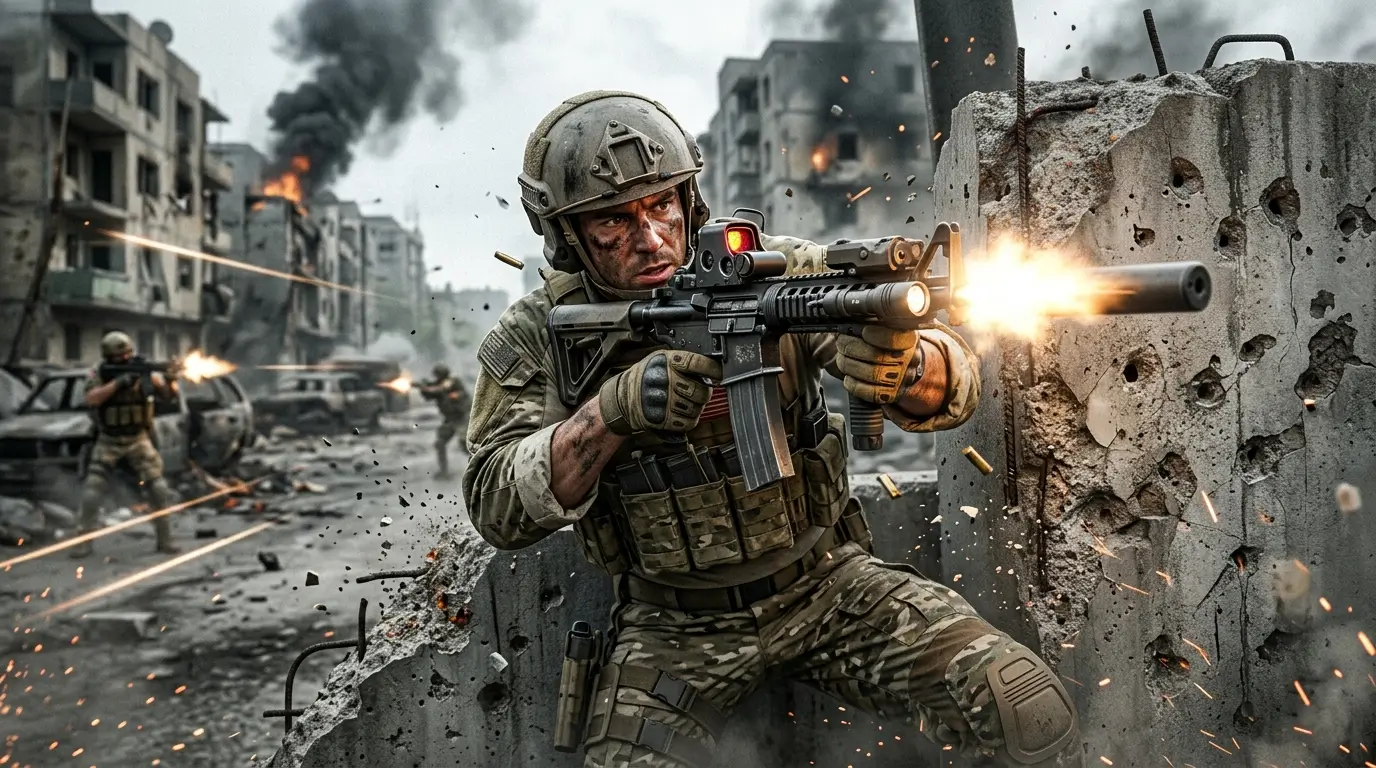
Cover Fire: The Shooting Game Worth Your Time – Apk5Star
I’ll be honest — I’ve deleted probably thirty mobile shooters in the past two years. Most of them felt like the same game wearing a different skin. Tap enemies, collect rewards, watch an ad, repeat. So when Cover Fire started showing up in my recommended list, I ignored it for weeks. Then a friend kept talking about it during a long trip, and I finally gave in one night with nothing else to do.
Three hours later I was still playing.
That’s the thing about Cover Fire that sneaks up on you. It doesn’t announce itself as anything revolutionary. The loading screen is simple, the interface is clean, and the first few missions feel almost too straightforward. But somewhere between upgrading your first sniper and watching your squad actually execute a flanking move, something clicks. This is a mobile shooter that was built with actual thought behind it.
This review covers everything — the gameplay mechanics, mission structure, weapons, squad system, what makes it genuinely fun, and where it occasionally stumbles. Whether you’re deciding whether to download it or you’ve already started and want to understand the game better, this is the breakdown you need.
What Kind of Game Is Cover Fire, Really?
Cover Fire is a third-person cover-based mobile shooter developed by Genera Games. You play as a resistance fighter leading a small squad against a militarized corporation called Tetracorp. The story isn’t going to win any awards, but it gives enough context to make the missions feel purposeful rather than random.
The core mechanic is simple: you move between cover positions, aim at enemies, and eliminate targets before they eliminate you. What separates Cover Fire from the generic mobile shooters is how much depth exists beneath that surface. You’re not just tapping at enemy icons. You’re reading enemy positions, timing your shots, managing health, switching between squad members with different abilities, and making quick decisions about when to push forward and when to stay put.
The game runs offline almost entirely, which is a massive advantage for mobile players. No waiting for servers, no connection drops mid-mission. You can play on a bus, a flight, or anywhere without Wi-Fi, and the experience doesn’t degrade. That alone puts it above half the competition.
The Mission Structure Keeps You Hooked
Cover Fire is built around a campaign with multiple chapters, each containing several missions that escalate in difficulty. Early missions teach you mechanics without making it feel like a tutorial. By the third or fourth chapter, you’re dealing with armored enemies, snipers, grenadiers, and enemy vehicles that require specific targeting strategies.
What I genuinely appreciated was how each mission has a distinct objective rather than just “kill everyone.” Some missions require you to escort a target. Others put you in a sniper-only scenario where patience and shot selection matter more than reflexes. There are defense missions where you hold a position against waves, and assault missions where you push through fortified lines.
This variety keeps the pacing from going stale. You rarely feel like you’re doing the same thing twice in a row, which is a real problem in most mobile games that rely on wave-after-wave repetition to pad their content.
The difficulty curve is mostly well-handled. The game challenges you without becoming unfair, and when you fail a mission, it’s usually clear why. You either misjudged an enemy position, underestimated a heavily armored unit, or made a poor weapon choice for that specific mission type. That clarity makes losing a learning experience rather than a frustrating dead end.
Weapons and Upgrades: The Real Progression System
If the missions are the engine, the weapon system is the fuel that keeps you engaged long-term. Cover Fire gives you access to a wide arsenal — assault rifles, sniper rifles, shotguns, LMGs, and special weapons — and each one handles differently in a way that actually matters.
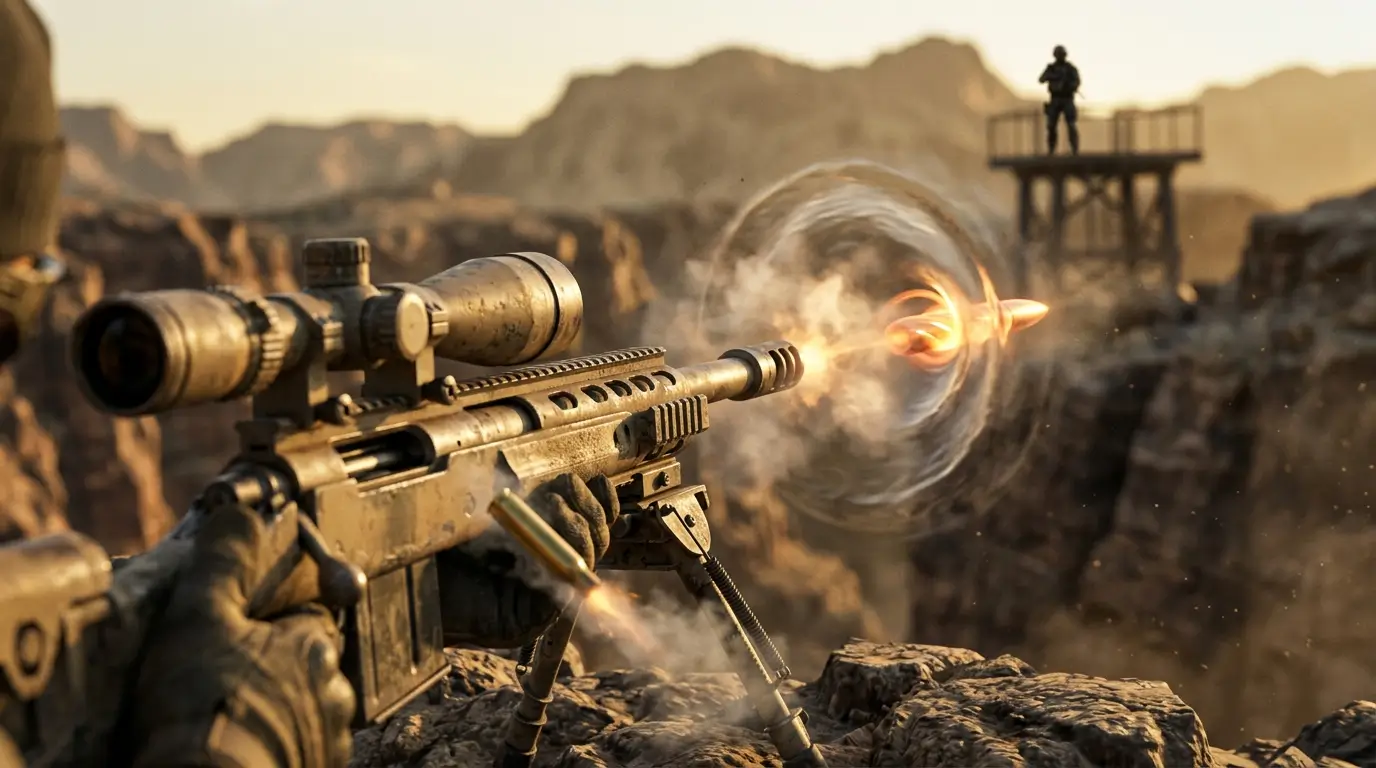
Snipers reward patience and positioning. Shotguns demand aggressive play at close range. Assault rifles are your reliable middle ground. LMGs are slow to aim but devastating against groups. Choosing the wrong weapon type for a mission type is one of the most common mistakes new players make.
The upgrade system lets you improve weapon damage, reload speed, clip size, and accuracy over time. Upgrades require in-game currency earned through missions, and the progression feels rewarding rather than gated. You can feel the difference when a weapon improves — it’s not just a number going up.
There are also special weapons that unlock at certain campaign points, and these tend to shift how you approach the late-game missions entirely. Without spoiling specifics, some of these weapons open up tactical options you didn’t have before, which gives the campaign a genuine sense of progression rather than just difficulty scaling.
The Squad System Is Underrated
Most players focus on weapons and overlook how powerful the squad mechanic actually is. In Cover Fire, you lead a team of fighters, each with a specific role and ability. Some specialize in fire support. Others provide healing or defensive buffs. Managing which squad members you bring into a mission — and when you activate their abilities — adds a layer of strategy that elevates the gameplay significantly.
New players often treat squad members as background characters. Experienced players use them as tactical tools. If you’re struggling with a mission, the answer is often not better weapons but a better squad composition for that specific challenge.
Squad members level up with use, so there’s a reason to rotate and invest in multiple characters rather than focusing exclusively on one. The game rewards players who build and maintain their full roster rather than treating it as a side feature.
This is the kind of system that Apk5Star recommends readers look into before they get deep into the campaign, because players who understand the squad mechanics early tend to have a significantly smoother mid-game experience.
Graphics and Sound: Better Than You’d Expect
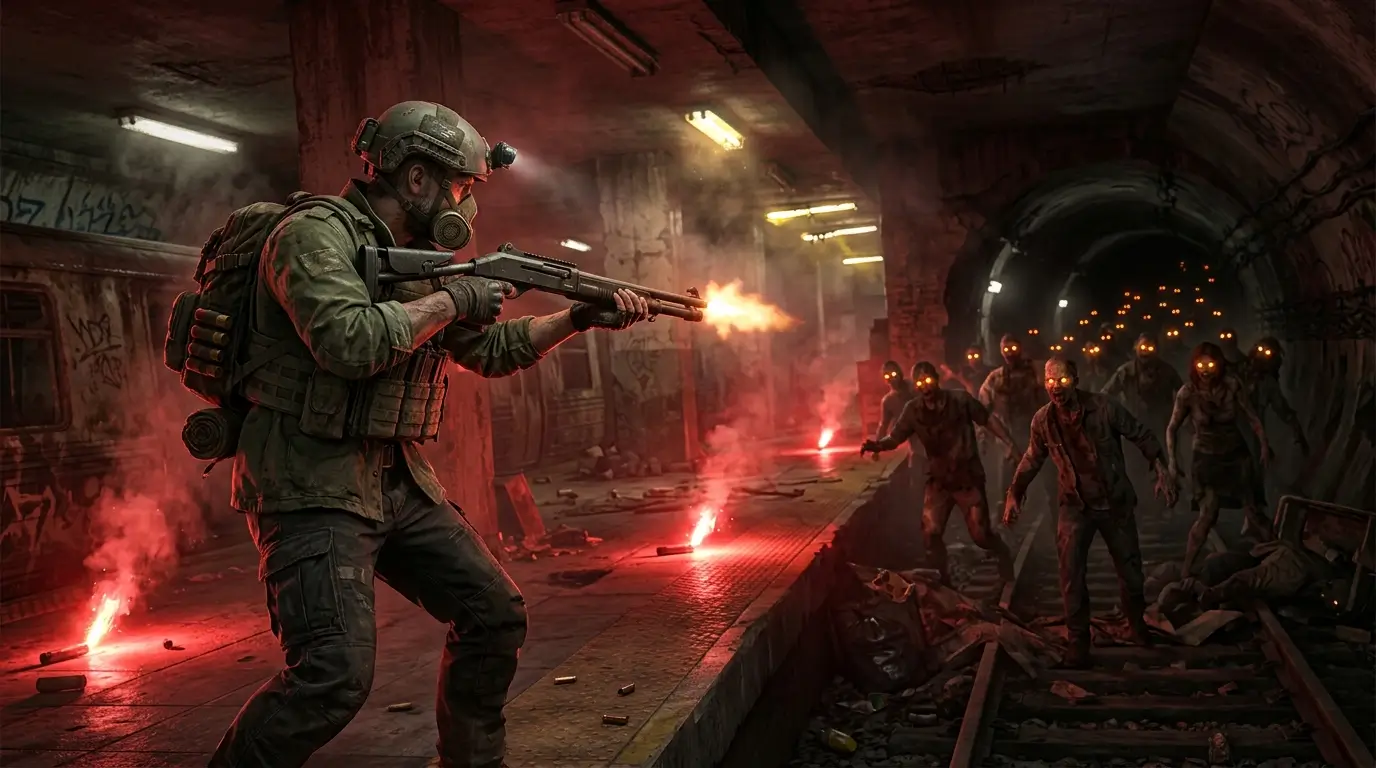
Visually, Cover Fire sits well above average for mobile gaming. Character models are detailed; environments have real variety—industrial zones, desert outposts, urban ruins, and jungle bases—and the lighting during certain missions creates genuine atmosphere. The game doesn’t push console-quality graphics, but it’s polished enough that you forget you’re playing on a phone.
The sound design is where Cover Fire earns real credit. Each weapon sounds distinct and satisfying. Sniper shots have weight to them. Enemy chatter and combat audio are layered in a way that makes the environments feel alive rather than static. Audio is the most underrated element of mobile game design, and Cover Fire clearly put effort into it.
Performance is generally smooth even on mid-range devices. Some older hardware may see occasional frame drops during heavy combat sequences, but for most players the experience is stable throughout.
Common Mistakes That Hold Players Back
Learning what not to do is just as useful as learning the mechanics themselves.
- Ignoring squad upgrades and focusing only on personal weapons leaves you weaker than you should be heading into harder chapters
- Using the wrong weapon type for a mission—like bringing a sniper to a close-quarters defense mission—makes difficulty artificially high
- Spending currency on single upgrades without planning your progression path leads to inefficient advancement
- Rushing through cover positions instead of reading enemy placement first causes avoidable deaths
- Neglecting to retry earlier missions for resource farming when you hit a wall in the campaign
These mistakes aren’t obvious until you’ve made them, which is exactly why understanding them early saves you significant frustration.
Pro Tips for Getting More Out of Cover Fire
Once you understand the basics, these approaches will sharpen your results considerably.
Prioritize headshots whenever the target is stationary. Headshots deal significantly higher damage and conserve ammunition against armored enemies who can absorb multiple body shots.
Learn enemy patterns before committing to a position. Most enemies in Cover Fire follow predictable engagement behaviors. Watch before you shoot, and you’ll find angles that give you clean shots without taking return fire.
Use squad abilities proactively rather than reactively. Most players save abilities for emergencies. Using them at the right moment during a push — rather than when you’re already in trouble — is far more effective tactically.
Replay completed missions when you’re farming resources. Earlier missions can be cleared quickly once you’re upgraded, and the resource returns make them worth revisiting regularly rather than stalling at a hard checkpoint.
Check the Apk5Star game library regularly if you want to find similar titles once you’ve finished the Cover Fire campaign — there are several quality mobile shooters worth exploring that follow a comparable design philosophy.
Frequently Asked Questions
Does Cover Fire work without an internet connection?
Yes. The vast majority of the campaign is fully playable offline, making it one of the stronger choices for mobile gaming without reliable data access.
Is Cover Fire free to download?
The base game is free. There are optional in-app purchases, but the core campaign is completable without spending money.
How many missions does Cover Fire have?
The game contains multiple chapters with numerous missions each, providing substantial content for a mobile title. Additional content has been added through updates since the original release.
Which weapon type is best for beginners?
Assault rifles offer the best balance of accuracy, fire rate, and damage for new players learning enemy patterns and positioning mechanics.
Where can I download Cover Fire safely?
The game is available on the Google Play Store. Apk5Star also covers the download details and links trusted sources for readers looking for safe installation options.
Can squad members be permanently lost?
No. Squad members don’t permanently die between missions, though they can be incapacitated during gameplay and require strategic management to protect.
Final Thoughts
Cover Fire is the kind of mobile game that earns its place on your phone. It’s not pretending to be something it isn’t — it’s a well-designed, satisfying cover-based shooter that respects your time and rewards skill development. The mission variety keeps it fresh, the weapon system gives long-term progression meaning, and the squad mechanics add depth that most mobile shooters completely skip.
It stumbles occasionally in the mid-game pacing, and some upgrade costs feel steep without active resource farming. But these are minor complaints against a game that genuinely delivers consistent entertainment across dozens of hours of play.
If mobile shooters have burned you before, Cover Fire is the one worth giving a fair chance. Download it, invest time in understanding the squad system, and take the weapon selection seriously from the start. Apk5Star rates it as one of the stronger entries in the mobile shooter genre available right now, and that recommendation is based on actual hours with the game rather than surface impressions.
Give it a session. You might end up three hours in before you notice.
DISCLAIMER: This article is for informational and entertainment purposes only. Cover Fire is a product of Genera Games. All features and gameplay details mentioned are based on community gameplay experience and may change with official game updates. Apk5Star is not affiliated with or endorsed by Genera Games or any related parties.