Traffic Rider: Complete Guide to Master the Game – Apk5Star
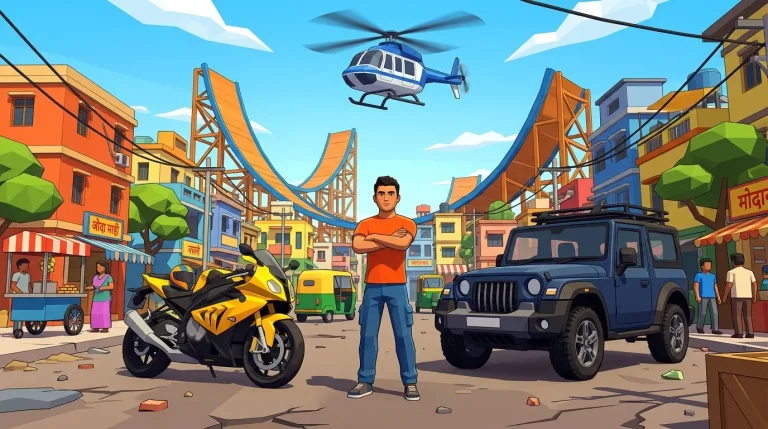
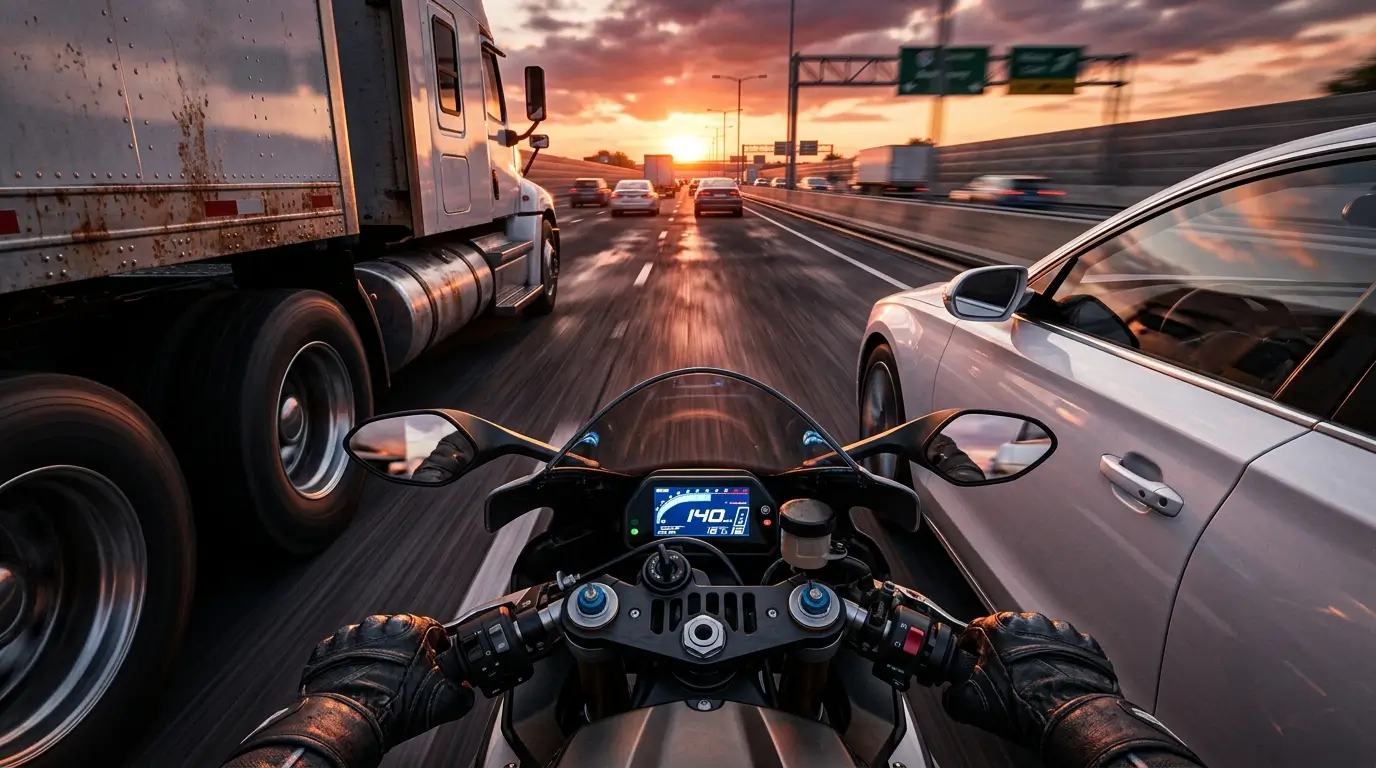
If you have ever fired up a motorcycle racing game on your phone and felt genuinely hooked from the first few seconds, Traffic Rider probably knows exactly what that feeling is. This game has been sitting comfortably at the top of mobile racing charts for years, and for good reason. The first-person perspective alone separates it from almost everything else in the genre. You are not watching a bike weave through traffic — you are the rider, and that small difference in camera angle changes everything about how the game feels.
I have put in serious hours with Traffic Rider, grinding through career missions, chasing achievements, and experimenting with every bike in the garage. Whether you just downloaded it for the first time or you are stuck mid-career wondering why your progress has stalled, this guide covers everything you need. We are talking bike selection, upgrade strategy, career mode tips, the achievement system, and the habits that separate casual riders from players who actually complete the full career ladder.
You can grab the game directly from the Google Play Store, and if you want to explore more curated Android games alongside it, Apk5Star is a solid resource worth bookmarking.
What Is Traffic Rider? Quick Answer
Traffic Rider is a first-person motorcycle racing game developed by Soner Kara, available on Android and iOS. The game puts you on a highway filled with real traffic, and your goal is to ride as fast as possible, overtake vehicles, and complete mission objectives across a full career mode. It features realistic bike sounds, a large garage of upgradeable motorcycles, day and night environments, and a detailed achievement system. Unlike arcade racers, the game rewards patience, precision, and knowing your bike’s actual top speed and handling characteristics.
Understanding the Game Modes in Traffic Rider
Before anything else, it helps to understand what you are actually working with. Traffic Rider is not just a single endless runner. There are four distinct modes, and each one serves a different purpose depending on what you want out of a session.
Career Mode
This is where the bulk of your time should go, especially early on. Career mode is structured into levels, each with specific mission objectives. You might need to reach a target distance, hit a minimum speed for a sustained period, earn a set number of points by overtaking traffic, or keep your total crashes under a limit. Each mission builds on the last, and the difficulty curve is real. Early missions are forgiving enough to let you learn the controls, but by the mid-career levels, you genuinely need to know your bike.
Career mode also pays the best. Gold coins earned here fund your upgrades and unlocks, so treating career missions casually early on is a mistake you will feel later.
Endless Mode
Endless mode is exactly what it sounds like. You ride until you crash or the road runs out of patience for you. It is great for warming up before a career session, and it is the primary mode for chasing high score achievements. Your best endless run distance is tracked, so there is always something to beat.
Time Trial
Time trial asks you to cover a fixed distance in the shortest possible time. It strips away mission variables and focuses purely on speed and line selection. If you want to test how much a bike upgrade actually changed your performance, time trial is the cleanest way to measure it.
Free Ride
Free ride removes objectives entirely. No pressure, no scoring, just you and the road. It sounds low-value, but it is genuinely useful for learning a new bike’s handling before committing it to a high-stakes career mission.
Traffic Rider Bikes: Choosing the Right One for Each Stage
The garage is one of the most satisfying parts of Traffic Rider, and also one of the areas where players make the most costly mistakes. There are multiple bike tiers, each with different base stats for speed, acceleration, braking, and agility. The temptation is always to buy the most expensive bike available, but that logic breaks down quickly.
Starter Bikes
The bikes available at the start of the game — generally the lighter 150cc to 300cc class machines — are not just training wheels. They are properly capable on early career missions where tight traffic handling matters more than raw top speed. I kept my starter bike fully upgraded through the first quarter of career mode and had zero regrets. Putting all your early coins into a mid-tier bike before you have unlocked the harder missions is a coin-sink that slows your progress.
Mid-Tier Bikes
Once you hit the middle career stages, the mission objectives start demanding sustained high speeds. This is where the 600cc to 900cc class bikes earn their place. They offer enough top-end to meet speed-based missions without being so twitchy that precision becomes impossible. The balance between acceleration and agility is at its best here.
High-Performance Bikes
The top-tier bikes are genuinely fast — the kind of fast where a light tap on a car at speed ends your run instantly. They are necessary for late-career missions and for pushing high score records in endless mode, but they are punishing to ride casually. If you jump to a superbike before your reflexes and road-reading skills are ready, expect a lot of restarts.
Bike Comparison Table
| Bike Class | Best For | Top Speed | Handling | Recommended Stage |
|---|---|---|---|---|
| Starter (150–300cc) | Early career, learning controls | Low–Medium | Excellent | Career Levels 1–10 |
| Mid-Tier (600–900cc) | Mid-career missions, balanced play | Medium–High | Good | Career Levels 11–25 |
| Superbike (1000cc+) | Late career, high score runs | Very High | Moderate | Career Levels 26+ |
| Cruiser | Stamina missions, long distance | Medium | Stable | Mixed career stages |
How the Upgrade System Works
Every bike in Traffic Rider can be upgraded across four categories: engine, transmission, nitro, and brakes. Understanding what each upgrade actually does — not just what the tooltip says — is where experienced players pull ahead.
Engine Upgrades
Engine upgrades increase your bike’s top speed ceiling. If a career mission requires you to hold 160 km/h for ten seconds and your fully wound-up bike only tops out at 155 km/h, no amount of skill will complete that objective. Check the mission requirement before deciding whether an engine upgrade is actually necessary for where you are in the game.
Transmission Upgrades
Transmission improvements affect how quickly your bike reaches its top speed. In traffic-heavy sections where you are constantly braking and re-accelerating, transmission upgrades have a bigger practical impact than engine upgrades. This is one of the most underrated upgrade paths, especially on mid-tier bikes.
Nitro Upgrades
Nitro gives you a burst of speed on demand, and upgrading it extends both the duration and intensity of that burst. Nitro is particularly useful for speed-based mission objectives where you need to hit a target velocity quickly rather than sustain it from a rolling start. Do not ignore this track — a well-timed nitro burst can be the difference between passing and failing a timed objective.
Brake Upgrades
Brakes are the upgrade most players skip, and it is a genuine mistake. Better brakes let you push higher approach speeds into tight traffic gaps because you have a shorter stopping window. On high-performance bikes especially, upgraded brakes are what makes riding at extreme speed actually controllable rather than suicidal.
Career Mode Walkthrough: How to Progress Efficiently
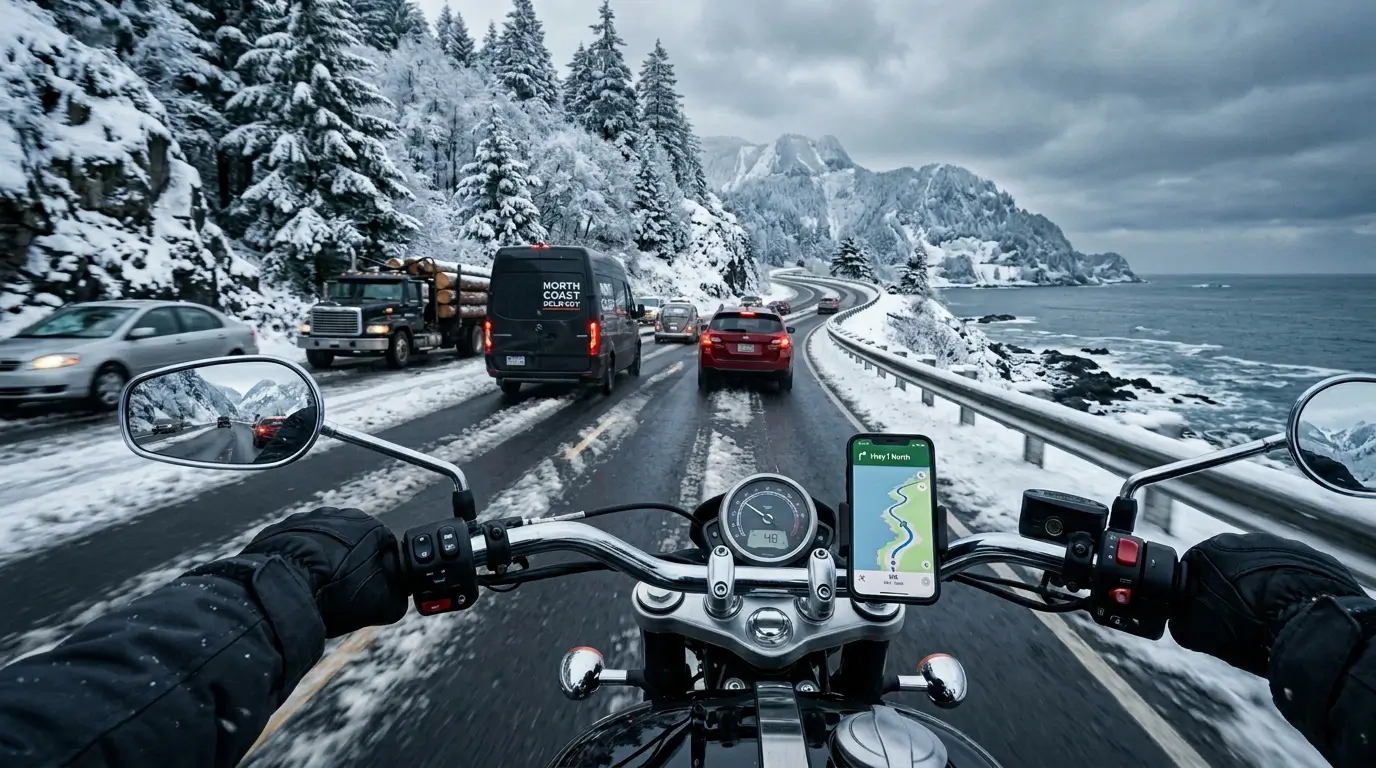
Career mode in Traffic Rider is structured well, but it does not hold your hand. Missions have three-star rating systems, and while one-starring a mission lets you move forward, three-starring it pays significantly more coins. Here is how to work through the career without hitting the walls that slow most players down.
Read Each Mission Before Starting
This sounds obvious, but a lot of players hit start and improvise. Some missions require you to avoid crashes entirely. Some require specific distance at or above a speed threshold. Knowing the objective before the road loads means you can position yourself correctly from the first second rather than realizing too late that you have already failed a no-crash requirement.
Use Night Missions to Your Advantage
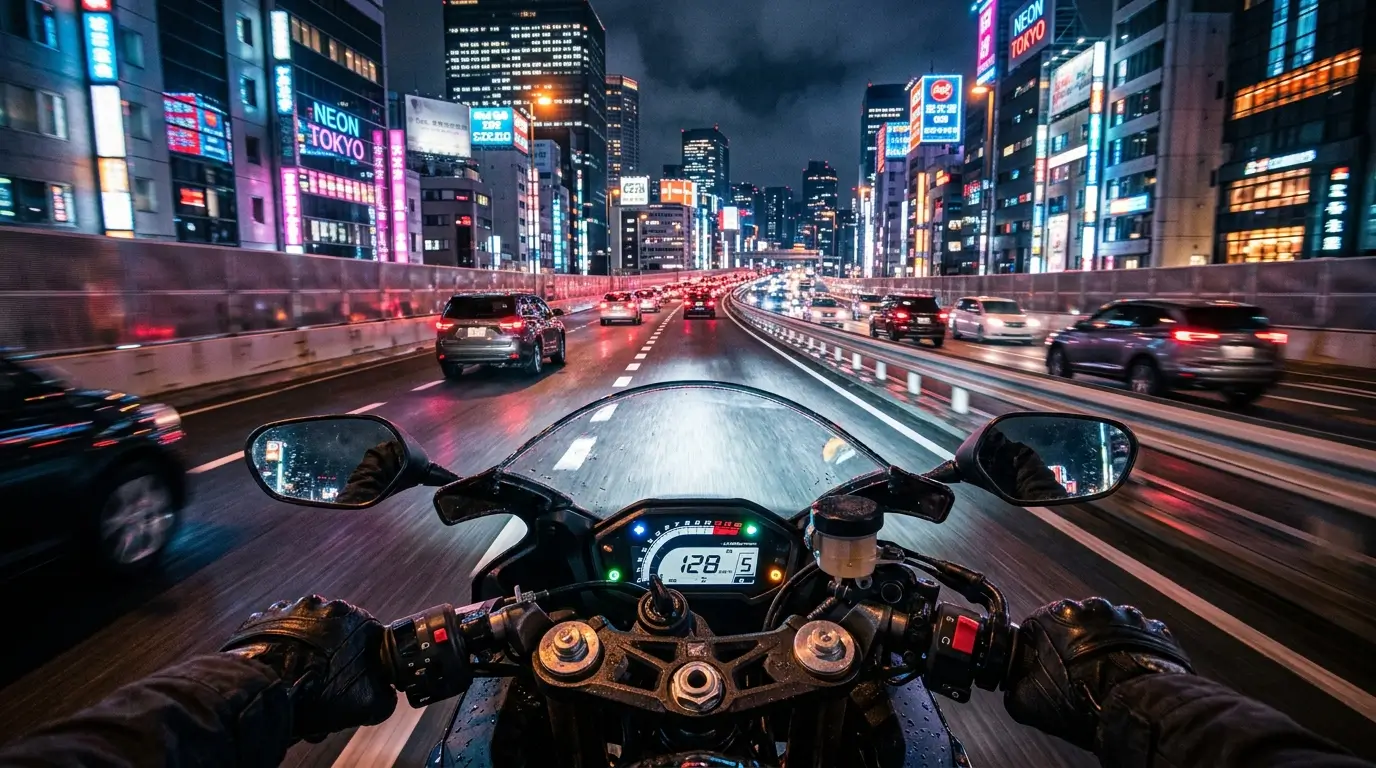
Night missions in Traffic Rider are genuinely different from daytime runs. Visibility drops, and the headlight cone you are riding inside feels narrow. Most players slow down reflexively, which is actually the right call until you learn the traffic patterns. The important thing is that night missions tend to have less overall traffic density, which can make speed objectives easier once you adjust to the lighting.
Do Not Rush to New Bikes Mid-Career
Buying a new bike halfway through a career stage and riding it unupgraded is almost always slower than finishing the stage on your current upgraded bike. Patience with the upgrade path beats constant bike-switching every time.
Achievement System: The Hidden Progression Layer
Traffic Rider has a detailed achievement system that most casual players ignore entirely, and that is a shame because achievements are one of the best sources of bonus coins in the game. Many achievements also push you to play in ways you would not naturally try, which tends to make you a better rider overall.
Some achievements are straightforward — ride a total cumulative distance, reach a specific top speed, complete a number of career missions. Others are more specific, like achieving a certain number of overtakes in a single run without crashing, or riding for a continuous time period above a speed threshold. These specific achievements are worth actively hunting because they pay well and they sharpen skills you need for late-career missions anyway.
Check the achievements list regularly. You will often find you are one or two runs away from completing something that pays a significant coin bonus, and knowing that makes it worth doing a focused run rather than a casual one.
How to Earn More Coins Without Spending Real Money
This is a question that comes up constantly in the Traffic Rider community, and the answer is actually straightforward if you play with intent rather than just casually grinding.
Three-starring career missions is the primary source. The coin difference between one-starring and three-starring a mission is significant enough that going back to replay earlier missions you only partially completed is worth the time investment. Think of it as retroactive farming.
Achievement bonuses stack meaningfully over time. Completing achievement milestones — especially the cumulative ones like total distance ridden — adds up faster than you might expect if you are playing daily.
Watching optional video ads in the game is the third option. They are short and completely voluntary, and they can double your post-mission earnings. Using this on a three-star mission result is the most efficient use of the multiplier.
For players looking for a curated list of games with similarly generous free-to-play progression, Apk5Star regularly features titles worth checking out alongside Traffic Rider.
Step-by-Step Guide to Completing Difficult Career Missions
- Check the mission objective carefully before starting. Note whether it is speed-based, distance-based, crash-limited, or overtake-focused.
- Select your best-upgraded bike that matches the objective type. Speed missions need engine upgrades. Precision missions need brake upgrades.
- Start the run conservatively for the first few seconds to read the traffic density before pushing speed.
- Use lanes strategically. The outer lane on most roads carries faster-moving vehicles. The inner lane tends to have slower traffic but is narrower. Mix your lane usage rather than committing to one.
- Save your nitro for the moment you see a clear gap opening ahead. Burning it in dense traffic wastes the burst before you can use the speed.
- For no-crash missions, ride at 80% of your maximum comfortable speed rather than flat out. The margin for error widens noticeably.
- If the mission has a time component, check your progress indicator mid-run. If you are behind pace, use nitro to catch up rather than panicking and crashing.
- After completing the mission, use the ad multiplier if one is available before viewing your final score.
Common Mistakes That Hold Players Back
- Buying top-tier bikes before upgrading current ones: A fully upgraded mid-tier bike outperforms an unupgraded superbike in almost every practical scenario. Coins spent on a new bike are coins not spent on upgrades that actually improve your performance today.
- Ignoring the brake upgrade track: Players who skip brakes end up riding at artificially reduced speeds because they cannot trust their stopping distance. Upgraded brakes unlock the ability to push closer to your bike’s actual top speed safely.
- Not reading mission objectives: Failing a no-crash mission because you did not realize it was no-crash until the third crash is avoidable. Thirty seconds of reading saves a full minute of replaying.
- Burning nitro in heavy traffic: Nitro is wasted when you cannot open up the speed it generates. Use it when the road ahead is clear, not when you are weaving between trucks.
- Neglecting achievements: The achievement coin bonuses are effectively free money you are walking past. Even checking the list once a session and targeting one active achievement changes your coin income meaningfully.
- Skipping free ride for new bikes: Jumping directly from a known bike into a career mission on a brand new bike you have never touched is a fast way to fail missions you would otherwise complete. Five minutes in free ride to feel the new bike’s weight and response is always worth it.
Pro Tips for Advanced Traffic Rider Players
If you have already worked through a solid portion of the career and you are looking for the edges that separate good players from great ones, these are the habits and strategies that actually make a difference.
Learn traffic patterns by environment. Different road environments in Traffic Rider have consistent traffic behavior patterns. Highway sections tend to have high-speed vehicles moving in predictable clusters. City-adjacent sections have more erratic stop-and-go patterns. Recognizing these early in a run helps you set your riding speed correctly before traffic density becomes a problem.
Overtakes score more at higher relative speed differences. If you are on a fast bike and you pass a slow-moving vehicle at a significant speed differential, the point bonus is higher. This means that deliberately slowing down to match pace before a pass is leaving points on the table. Carry more speed into your overtakes where traffic density allows it.
Day missions and night missions have different coin multipliers at certain career stages. If you have the option to replay a mission in either condition, check which one currently offers better returns. Night missions also tend to test reflexes more sharply, which pays off in day missions where the visibility advantage feels enormous by comparison.
Manage your run restarts strategically. If you are three-starring a mission and you know the objective cold, restarting after a single early crash costs you nothing. Continuing a crashed run trying to salvage it usually results in a one-star finish and wasted time. Restart early or not at all.
Apk5Star covers a wide range of Android games beyond Traffic Rider, and if you enjoy progression-heavy mobile titles, browsing their featured section regularly surfaces games with similar mechanics worth your time.
Frequently Asked Questions About Traffic Rider
Is Traffic Rider free to play?
Yes. Traffic Rider is free to download and play on both Android and iOS. The game includes optional in-app purchases for coins and bike unlocks, but the full career mode is completable without spending real money if you manage your earned coins well.
What is the fastest bike in Traffic Rider?
The top-tier superbikes in the game have the highest top speed stats. However, the fastest bike for completing career missions is not always the highest-stat bike — it is the bike that is most upgraded for your current stage. A fully upgraded mid-tier bike handles better and accelerates faster than an unupgraded superbike.
How do I earn coins faster in Traffic Rider?
The most efficient methods are three-starring career missions, completing achievements, and using the optional ad multiplier on your best-performing runs. Daily play also unlocks coin bonuses through login rewards depending on your current game version.
Does Traffic Rider have multiplayer?
Traffic Rider is a single-player game. There is no real-time multiplayer mode. Competition exists through leaderboards where you compare scores and distances against other players globally, but races are not head-to-head in real time.
Can I play Traffic Rider offline?
Yes. The core gameplay in career mode, endless mode, and time trial works without an internet connection. Leaderboard features and optional ad rewards require connectivity, but the primary game content is fully accessible offline.
Why does my bike feel uncontrollable at high speeds?
High-speed instability is usually a sign that your brake upgrades have not kept pace with your engine upgrades. A faster top speed without corresponding brake improvements means you are entering traffic situations with a stopping distance your reflexes cannot accommodate. Invest in the brake upgrade track and the controllability improves noticeably.
Where can I find more game guides like this one?
Apk5Star publishes detailed guides and curated app recommendations regularly. It is worth visiting if you want the same depth of coverage for other Android games in your library.
Wrapping Up
Traffic Rider earns its reputation as one of the best mobile motorcycle games available, and that reputation is built on genuinely good design decisions — the first-person camera, the realistic bike audio, the career mode that actually demands skill progression rather than just time investment. It is the kind of game that rewards players who pay attention to what they are doing rather than just grinding runs on autopilot.
The core advice from everything above: upgrade your current bike before buying new ones, read mission objectives before starting, use nitro when the road is clear, and treat the achievement system as a parallel progression track rather than an afterthought. Those four habits alone will move you through the career significantly faster than most players manage.
Whether you are just starting out or working through the harder late-career missions, Traffic Rider has enough depth to stay interesting well past the first few hours. Get on the road, find your rhythm, and keep the rubber side down.
For more curated Android game recommendations and guides, Apk5Star is worth keeping in your bookmarks.
DISCLAIMER: This article is for informational and entertainment purposes only. Traffic Rider is a product of Soner Kara / SK Games. All in-game values, features, and upgrade details mentioned are based on community gameplay experience and may change with official game updates. apk5star.com is not affiliated with or endorsed by the game’s developer.